Bonfire: From Bone Fire to Bonfire
A brief journey through the history of “bonfire”
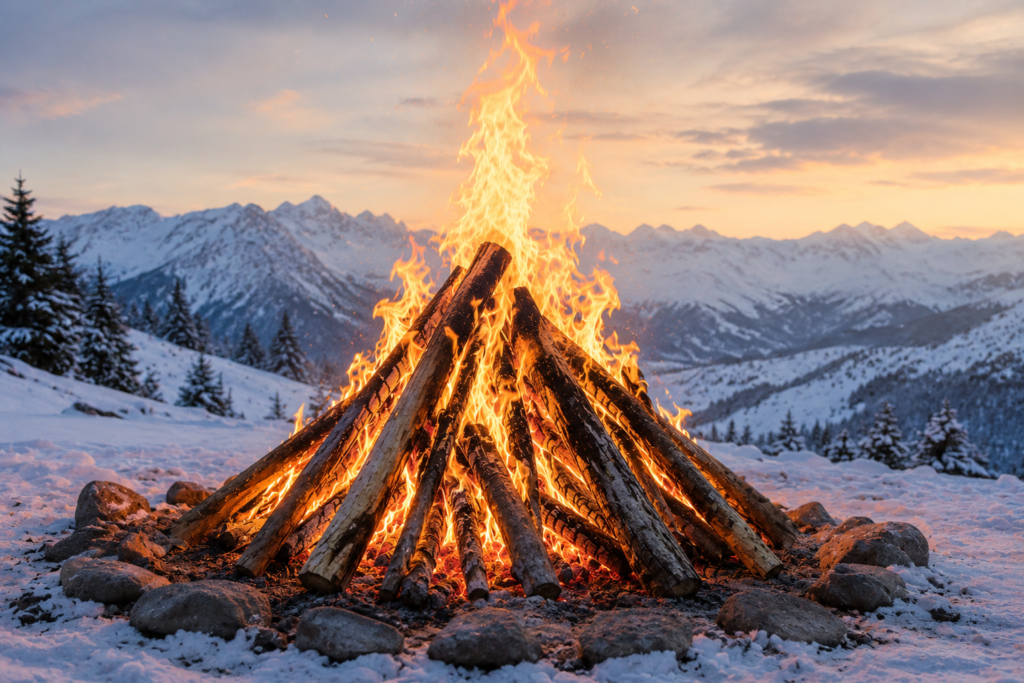
A bonfire usually feels like a happy thing, cold evenings, people sitting together, music in the background, sparks rising into the night sky. The word itself sounds warm and festive. But its history is surprisingly unusual.
Most people think bonfire comes from the French word bon, meaning “good.” It sounds believable: a “good fire.” But the original word was actually bone fire. In medieval times, large fires were sometimes made to burn animal bones, and old English writings mention them quite literally as “bone fyres.”
Language experts support this origin for several reasons. Some of the earliest spellings of the word appeared as banefyre and bonefire, where bane was an old spelling of “bone,” especially in Scotland. Scholars also point out that if the word had truly come from the French bon, it would likely have evolved differently in English over time.
As language changed over centuries, bone fire slowly turned into bonfire, and the darker meaning faded away. What survived was the image of a large communal fire, something people gathered around during rituals, celebrations, and seasonal observances.
Across cultures, bonfires are part of seasonal observances, religious rituals, victory celebrations, and public gatherings. In England, they were lit during Saint John’s Eve and later became central to Guy Fawkes Night. In India too, sacred fire rituals such as Holika Dahan carry deep symbolic meaning, representing purification, renewal, and the triumph of good over evil.
Maybe that is why bonfires continue to feel special. Long before modern entertainment, people gathered around flames to talk, celebrate, and share stories. In many ways, we still do the same thing today.